

Stucco finishes and textures
Stucco Finishes and Textures
The finish coat is the last of the three coats and the only one anyone sees. It is also where most of the decisions get made, because two houses can have identical walls underneath and look nothing alike once the finish goes on. This page covers the finishes that come up most on Bay Area houses, what each one actually does on a wall, and which one suits which project.
- 5.0 on Yelp
- 4.8 on Google
- CSLB #1044105, Class B and C-35
- Two year warranty against water intrusion
- Se habla español
What the finish coat is
Stucco goes on in three coats. The scratch coat grips the lath, the brown coat builds the wall flat and true, and the finish coat goes over both at roughly an eighth of an inch. Everything on this page happens in that last eighth of an inch.
That is worth knowing before you choose, because the finish cannot fix what is under it. A wall that was not floated flat at the brown coat will read as wavy under a smooth finish no matter how well the finish itself goes on. Heavier textures forgive more. That relationship, between how flat the coats underneath are and how much texture you need over them, decides more finish choices than taste does.

Smooth and Santa Barbara
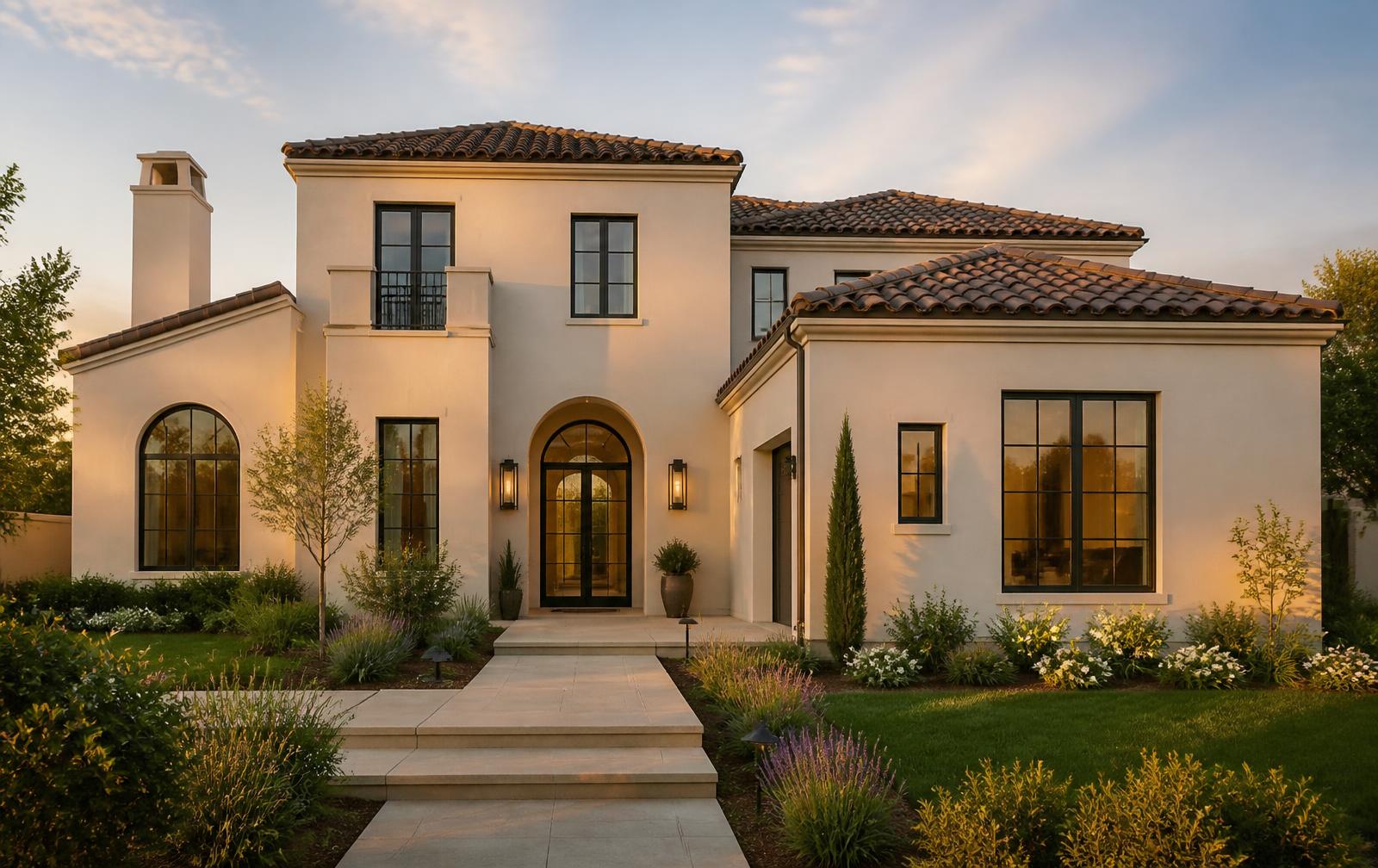
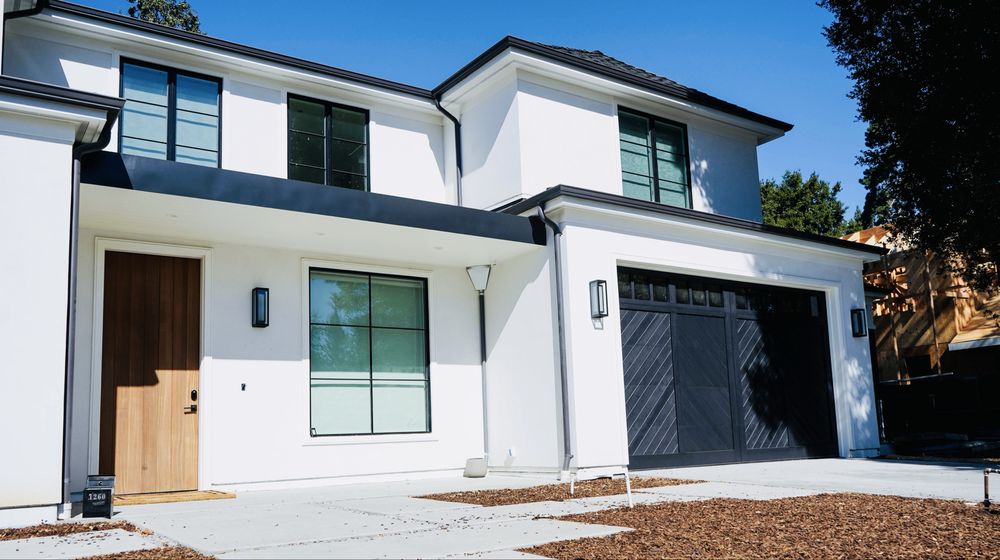
Smooth is what most people mean by modern stucco. It is troweled flat with little or no aggregate showing, and on a new build with dark window frames it is the look that has taken over Bay Area remodels over the last decade.
Santa Barbara is a smooth finish with a hand worked surface. Instead of one flat plane it carries slight undulations and visible trowel movement, closer to old Spanish and Mission work. It reads softer than a flat smooth wall and it hides minor wall movement better.
The two names get used interchangeably in conversation and they are not the same thing. If the look you are after came from a photo, bring the photo to the walkthrough. It settles the question faster than the names do.
Why smooth is the least forgiving finish
A smooth wall shows everything behind it. Every high spot in the brown coat, every patch, every place where two days of work met. It is the finish that depends most on the coats nobody sees, which is why it costs more to do properly and why it is the wrong choice on a wall with a history of movement.
The smooth finish can get done on a new construction, or in an older home with old stucco after we do some resurfacing.
Sand finish
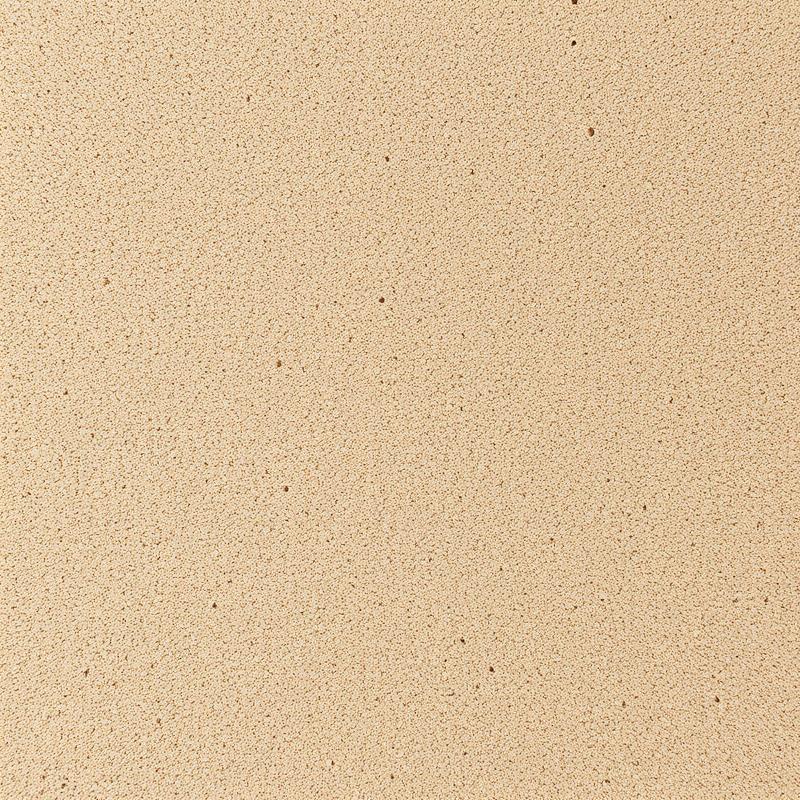
Sand finish is the most common exterior stucco finish in the South Bay by a wide margin. If your house went up between the fifties and the nineties, there is a good chance it is what you already have.
It is a float finish with graded sand in the material, worked in a circular motion so the aggregate sits proud of the surface. The result is an even grain across the whole wall rather than a pattern. You will see it written as 16/20 or 20/30. Those are sand gradations, not brand names, and they are what decides how coarse the wall reads from the sidewalk.
Matching a sand finish is a gradation question
On a patch or a partial resurface, matching the gradation matters more than matching the color, because color can be corrected with paint afterwards and grain cannot. It is one of the first things we look at on a repair walkthrough.
Matching a finish that is already on the wall
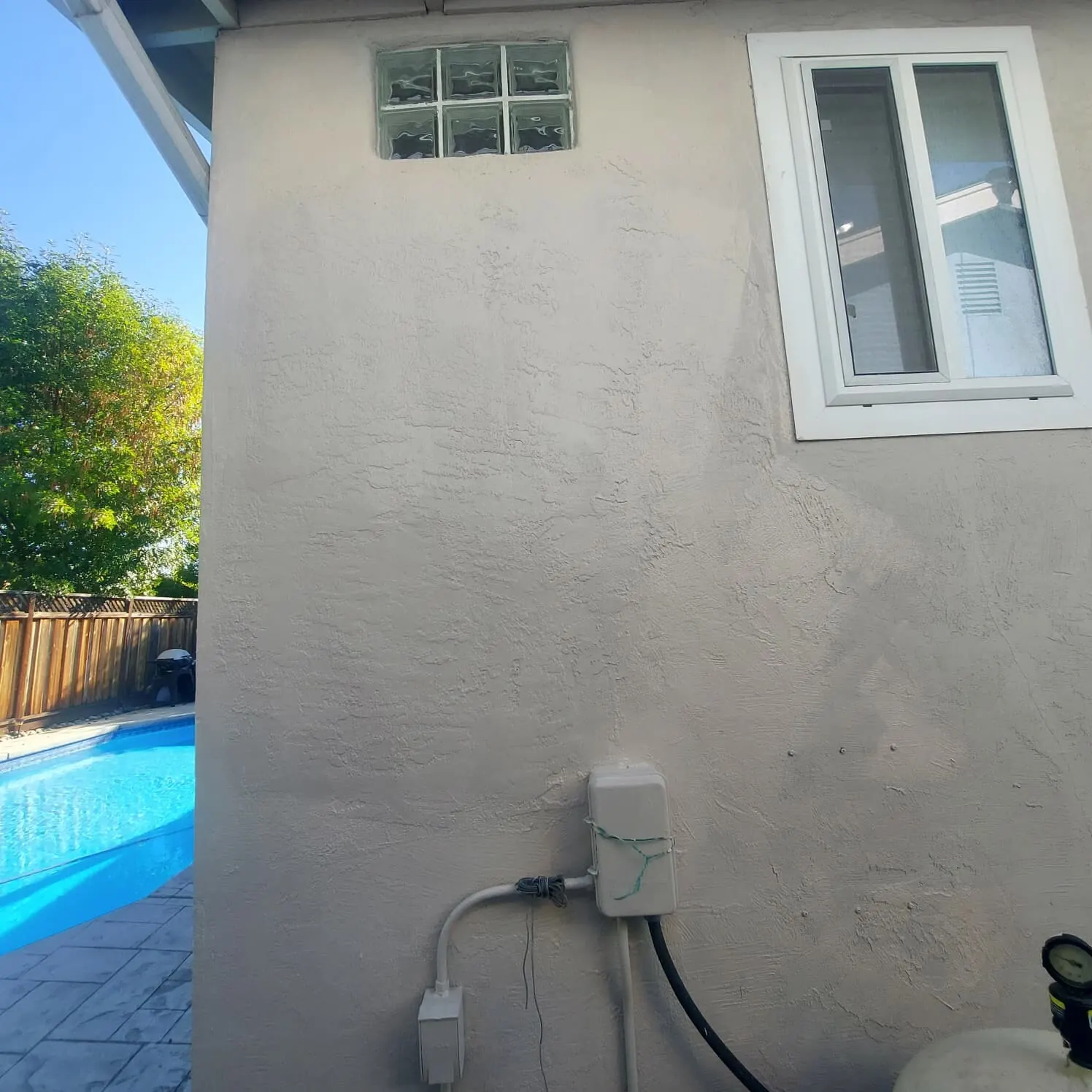
Most of the finish work we do is not a fresh choice. It is matching what is already on a house, on one patch, on one elevation, or across a whole exterior that is being brought back to looking like one building again.
Texture is the half we can match closely. Color is the half that catches people out, because sun fades stucco pigment unevenly over the years and a section that is a perfect texture match can still read as a patch against a wall that has weathered for a decade. You will hear which half is going to be the hard one before the work starts.
Lace and dash
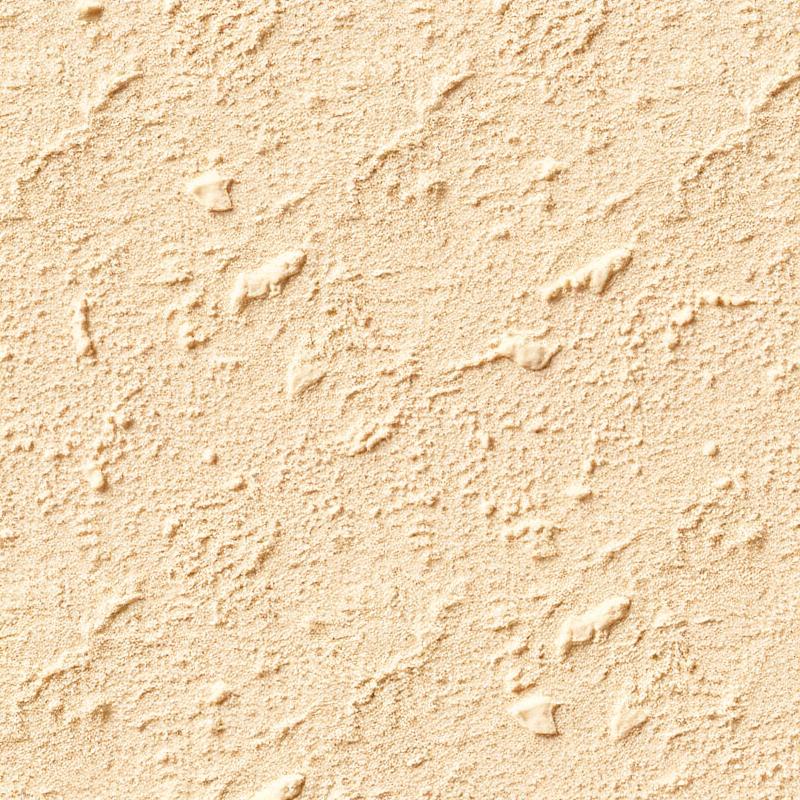
Lace and dash are the textured finishes, and on a lot of Bay Area tract housing they are what is already up there.
Dash is applied by spraying or flicking material onto the wall and leaving it where it lands. The surface is uniformly bumpy with no flat areas at all. Lace starts the same way and is then knocked down with a trowel, which flattens the high points and leaves flat islands between the texture. Lace is the more common of the two on houses here. Dash turns up more on garages, commercial walls and older apartment buildings.
Both hide a great deal. If a wall has settled, moved, or been patched more than once, a lace or dash finish is often the practical answer even when it is not the first look anyone picks.
Float and trowel finishes
Float and trowel describe how the material is worked rather than what is in it, and the names turn up inside other finish descriptions as often as they do on their own.
A float finish is worked with a sponge or rubber float, which brings the sand in the mix up to the surface and gives you the even grain a sand finish is known for. A trowel finish is worked with a steel trowel, which pushes the aggregate down and pulls the paste up, and that is how you get toward smooth and Santa Barbara.
Most finishes are some combination of the two. If a contractor quotes you a trowel finish or a float finish without saying what goes in it, ask what the aggregate is. That is the part that changes how the wall looks.
Not sure what is on your house now? Most people are not. Send a close up of the wall and we can usually name it without a visit.
Request a Free EstimateCement finish or acrylic
There are two families of finish material. Traditional cement based finish is what goes on a three coat stucco system, mixed on site from sand, cement and pigment. Acrylic finish is a manufactured product that goes on thinner over a base, holds color more consistently, and flexes more than cement does.
Choosing a finish for a new wall
When a wall is coming off entirely, or going up for the first time, the finish is a genuinely open choice rather than a match. That is when the conversation is worth having properly.
Three things narrow it down faster than a catalogue does. What the rest of the street looks like, because a finish that fights every house around it rarely ages well. What the wall underneath can carry, because smooth demands a flatter brown coat than lace does. And what you are willing to live with, because smooth shows dirt, hairline cracking and repairs more plainly than a textured wall ever will.
Where we apply these finishes
Interior plaster is a different trade
Questions
Questions people ask about this work
If yours is not here, ask us on the phone. It is a better use of your time than guessing.
What is the difference between 16/20 and 20/30 sand finish?
The numbers are sand gradations, taken from the sieve sizes the sand passes through. 20/30 is the finer of the two and reads smoother from a distance, while 16/20 carries more visible grain. Which one is on your house matters most on a patch or a partial resurface, because grain is the part that cannot be corrected afterwards.
What is a smooth stucco finish called?
In the trade it is usually just called smooth, or a smooth trowel finish. Santa Barbara is the name for the hand worked version that keeps slight trowel movement in the surface instead of one flat plane. People use both names for both things, so if the look came from a photo, the photo settles it faster than the name does.
Which finish hides hairline cracking best?
The more texture a finish carries, the more it hides. Lace and dash conceal the most, sand finish sits in the middle, and smooth conceals the least because there is nothing on the surface to break up a line. On a wall with a history of movement that is a practical consideration rather than an aesthetic one.
Does the finish change what the job costs?
It can, and usually not for the reason people expect. The material cost between finishes is small. What moves the price is the preparation a finish demands underneath it. A smooth wall needs a flatter, more carefully floated brown coat than a lace wall does, and that is labor. Your written proposal carries the finish and the price together, alongside the warranty terms, so you can see what the choice is actually costing.
Other things we do on the same house
Free estimate
Bring a photo of the finish you want. Or the one you have.
Either one gives us more to work with than a name does. Most walkthroughs happen the same day or the next, and the finish is written into the proposal alongside the scope and the price.
Monday to Friday, 8:00am to 5:00pm. Se habla español.
CSLB #1044105, Class B and C-35. Two year warranty against water intrusion on exterior stucco.